Search
Showing 10 of 7357 results
-
Viet Nam Market Insights: Opportunities and Challenges for New Zealand's PTEs and ELS Providers
On 29 August, Education New Zealand Manapou ki te Ao (ENZ) held an Insights Accelerator session for representatives from Private Training Establishments (PTEs) and English Language Schools (ELS) across New Zealand. ENZ’s Market Manager - Viet Nam, Van Banh, delivered a presentation that outlined Viet Nam’s current market trends, barriers to student recruitment, and essential tips for providers aiming to strengthen their presence in this dynamic country.
The session had 30 representatives from 20 PTEs attending, demonstrating how New Zealand education providers are recognising the opportunities for growth given the country’s expanding economy and growing middle class. As Van noted " Viet Nam offers significant growth opportunities, but success will require a tailored approach that addresses both the evolving demands of Vietnamese students and the competitive landscape."
The demand for English language skills is particularly high in business, technology, and education, as Vietnam continues its global integration. This makes New Zealand's high-quality ELS programmes attractive.
For PTEs, the country's growing economy requires a workforce with practical, vocational skills, which New Zealand’s providers are well-positioned to offer. Many PTEs and ELS institutions provide pathway programmes that help students transition into higher education or industries with globally recognised qualifications, Vietnamese students are attracted to New Zealand programmes that enhance employability both in Viet Nam and internationally.
Van added that despite these opportunities, there are some challenges.
“Tough competition from other study destinations and the changing preferences of Vietnamese students—away from traditional English and vocational courses—will require providers to adapt and innovate. The country's rapid development and young population present long-term growth potential, but strategic planning and market responsiveness will be key,” said Van.
The slides from the Accelerator Session can be found here. You can also watch a recording of the session here - https://youtu.be/KQE22JV1t2w
-
Rebuilding New Zealand education’s visibility in China
Last month, Lillian spent three weeks in New Zealand in what was her first visit to the country as part of her role at Education New Zealand Manapou ki te Ao.
The two-pronged purpose of her trip was to provide refreshed marketing insights to education providers in New Zealand and hear from providers on their expectations and the challenges they face when marketing their offering in China.
Here are Lillian’s takeaways from her visits and interactions in New Zealand –
Need for storytelling that better highlights New Zealand education’s points of difference
- Engaging with education providers and visiting campuses highlighted to me several points of difference for New Zealand education, particularly how it is innovative, how it develops work-ready graduates, as well as how international students are welcomed and valued in New Zealand. Seeing these points of difference in real time made me realise how underrated the New Zealand education story is overseas, and the need to tell that story better. We need to focus on telling a New Zealand education story that is authentic and has concrete examples. A more visual storytelling format would be ideal to deliver the story.
- Tip: Demonstrate the teaching and student engagement practices your institution delivers using visuals (images or videos).
- Example: Take photos/videos in the lab, with robotics machines, with the 3D printer, the hands-on experience and student engagement (student hub), self-learning and learning from their peers.

Visit to Middleton Grange Intermediate School to understand the differences between New Zealand and Chinese classrooms
Demonstrate outcomes of education programmes via successful alumni stories to promote offering
- Chinese parents and students are very outcome driven. Institution or programme rankings remain the key consideration, but other indicators and outcomes are becoming increasingly important, including employability, international recognition, and a life-changing experience.
Demonstrating the outcome of an education programme by leveraging successful student or alumni stories and testimonials can be a critical in activating ‘word-of-mouth’ promotion that influences the decision-making of prospective students and parents.
- Tip: Highlight successes or outcomes for students through stories. Degree + good experience = happy alumni story. Parents and students want to know if a qualification from a New Zealand institution will be recognised in China, the world or if it could be a pathway to further study.
- Example: A Chinese student studied a business degree with a New Zealand tertiary provider and then landed a job at a Fortune 500 company or became an industry leader. Or if a Chinese student studied virtual art in a New Zealand PTE, got a job in Weta Digital, which has worked on recent Chinese blockbuster films. We have seen Chinese media are very interested in interviewing and profiling such students in their publications.
Consider digital content in local language for marketing impact
- Research indicates that more Chinese students do their own research online and make their own decisions when choosing an overseas study destination and institution. So having a digital presence on China’s digital platforms is critical. Digital content in local languages also goes a long way in building brand awareness. If resources allow, exploring multiple channels and interacting with your audience in local languages will help you to gain a major advantage in optimising brand awareness and driving results in student recruitment.
- Tip: Host Chinese language and China specific channels such as an official WeChat account. We understand it isn’t easy to set one up. If you are unable to set up a WeChat account for any reason or don’t have Chinese-speaking staff, having a Chinese language website is the next best option. Having crucial information online in Chinese helps promote the institution as trustworthy. Parents and students will use the Chinese language website to confirm information, even if they rely heavily on agents or school counsellors.
- Example: ENZ has been working to optimise our digital presence in China, including with our Chinese language website: studywithnewzealand.cn. We recently revamped the storefront of SWNZ.cn to bolster its localisation, ensuring that from a Chinese user point of view, we can keep them interested and engaged in considering a New Zealand education provider. To ensure our digital presence continues to be fit for purpose, we undertake regular work to update and troubleshoot our platform and content.

ENZ’s Lillian Zhang presents China Marketing Insights and Strategies session to members of Study Dunedin on 24 February
With China fully re-opening to the world in January, the tempo of in-person events in the country is at pace already.
ENZ’s Greater China team is looking forward to supporting New Zealand providers visiting the country for agent seminars in Guangzhou and Beijing in May and other events later in the year.
If you have any enquiries related to marketing in China, please contact: china@enz.govt.nz
- Engaging with education providers and visiting campuses highlighted to me several points of difference for New Zealand education, particularly how it is innovative, how it develops work-ready graduates, as well as how international students are welcomed and valued in New Zealand. Seeing these points of difference in real time made me realise how underrated the New Zealand education story is overseas, and the need to tell that story better. We need to focus on telling a New Zealand education story that is authentic and has concrete examples. A more visual storytelling format would be ideal to deliver the story.
- ENZ Statement of Intent 2023 2027 FINAL
- Brazil 3
- EdTech 02
- Screen Shot 2020 10 08 at 2.26.54 PM
- Agent capability workshop Viet Nam 1
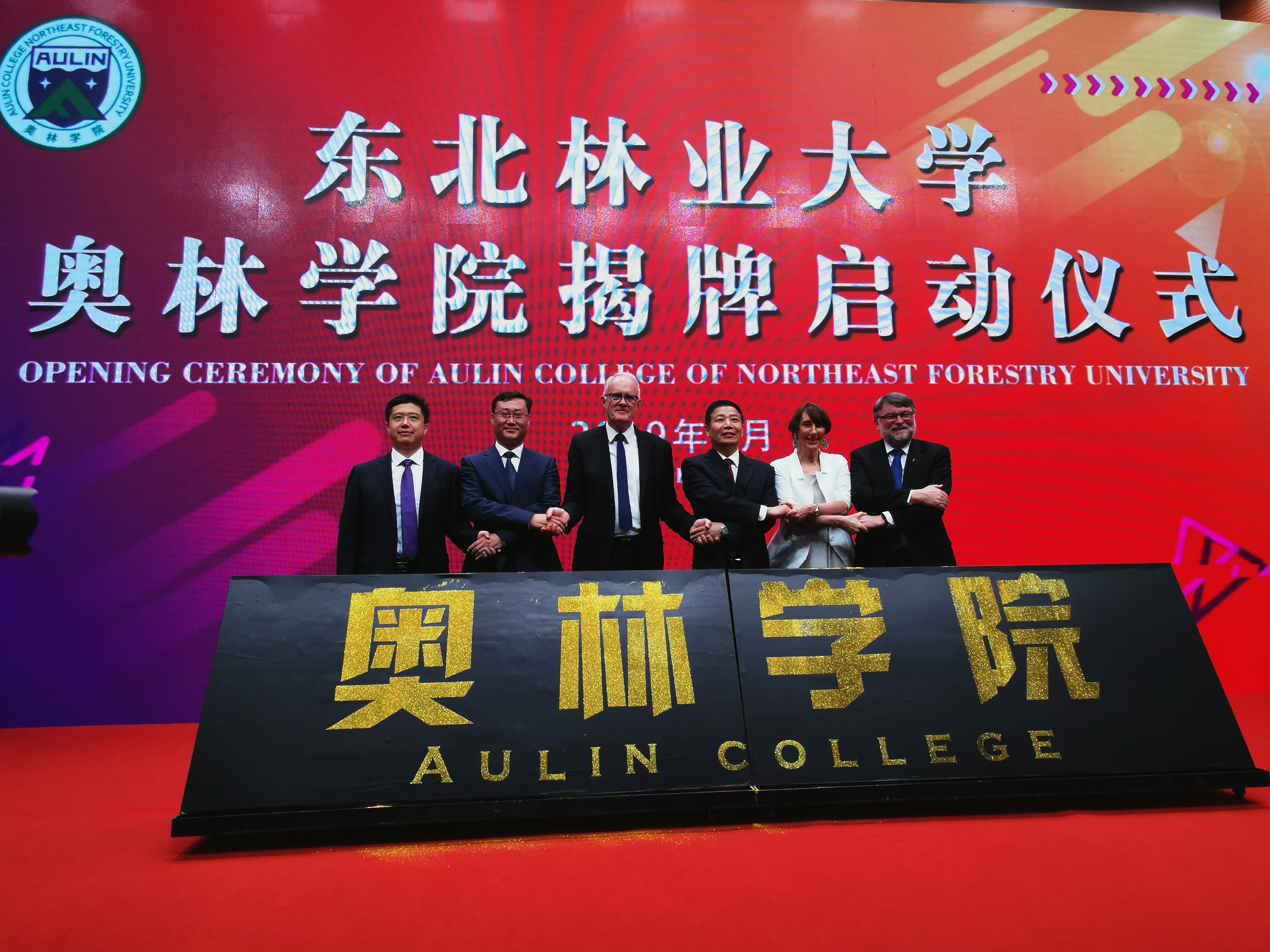
- Aulin College China TNE
- Student Visa Dashboard January 2016
- istockphoto 1279132916 1024x1024